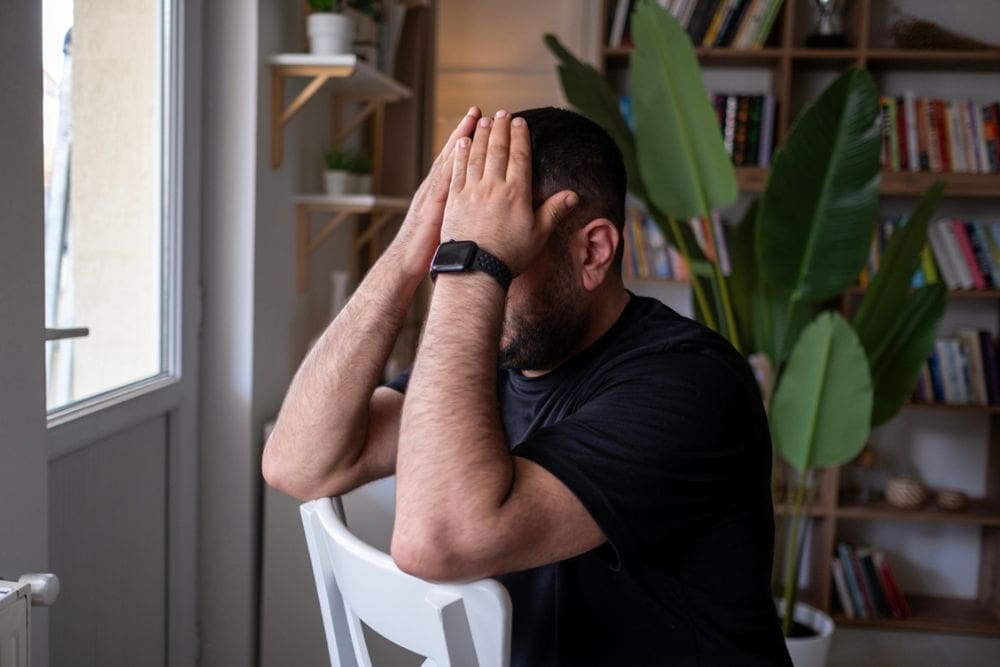
If you drink heavily or regularly, you may have thought about stopping but worried about what will happen when you do. Maybe you have tried before and felt shaky, anxious, sick, or unable to sleep. Or perhaps you are concerned about what could happen if you stop suddenly.
Alcohol withdrawal is more than feeling uncomfortable after your last drink. When your body has become dependent on alcohol, suddenly stopping or significantly reducing your drinking can trigger withdrawal symptoms that range from mild to life-threatening. That is why getting professional guidance before you stop drinking is so important.
According to the National Institute on Alcohol Abuse and Alcoholism (NIAAA), people who have been drinking heavily for a prolonged period can experience potentially life-threatening withdrawal when they suddenly stop.
What Is Alcohol Withdrawal?
Alcohol withdrawal occurs when your body has adapted to regular alcohol use and then alcohol is suddenly reduced or removed.
Your symptoms may begin within hours after your last drink, although the timing and severity can vary. You might initially feel restless or anxious and notice that you are sweating or shaking. As withdrawal progresses, symptoms can become more serious.
You may experience:
- Shakiness or tremors
- Anxiety, irritability, or restlessness
- Headache
- Sweating
- Nausea or vomiting
- Trouble sleeping
- Rapid heart rate
- Difficulty concentrating
- Confusion or changes in mood
- Hallucinations
- Seizures
Not everyone experiences the same symptoms, and you cannot always predict how severe withdrawal will become based on previous experiences. A history of severe withdrawal, including seizures or delirium, can increase your risk of complications.
Why Can Alcohol Withdrawal Be Dangerous?
The biggest concern is that withdrawal can become much more serious than the early symptoms suggest.
Severe alcohol withdrawal can cause seizures or delirium tremens (DTs), a serious condition that may involve severe confusion, agitation, hallucinations, and significant changes in vital signs. Severe withdrawal can require close medical monitoring and, in some cases, intensive care.
This is one reason trying to quit alcohol on your own can be risky. You may start with what feels like a bad case of the flu and assume you can simply wait it out. But withdrawal can change quickly, and you may need medication and medical monitoring to keep you safe.
That does not mean you should continue drinking because you are afraid of withdrawal. It means you should get help making a plan to stop safely.
When Should You Seek Professional Help?
If you drink heavily or regularly and want to stop, talk with a healthcare professional before attempting to detox on your own. You do not have to wait until your symptoms become severe.
You should seek emergency medical attention for serious symptoms such as a seizure, severe confusion, hallucinations, difficulty staying conscious, or other significant changes in your physical or mental condition.
Even if your symptoms seem mild, professional support can help determine what level of care you need.
Medically Supervised Alcohol Detox at Las Cruces
You do not have to go through withdrawal alone. At Las Cruces Recovery Center in Las Cruces, New Mexico, medically supervised detox provides a safe, supportive environment while you begin recovery. During detox, you receive emotional support and medication, if needed, to help manage withdrawal symptoms more comfortably.
Once detox is complete, you can transition into the recovery program that best fits your needs, which may include residential treatment. Addressing the underlying alcohol use disorder is an important part of recovery because detox alone does not treat the reasons you developed a problem with alcohol.
You can also receive support if you are dealing with depression, anxiety, or another mental health concern alongside alcohol addiction. Treating co-occurring conditions as part of your care can help you work on your recovery as a whole.
You Don’t Have to Wait for Things to Get Worse
If alcohol has become difficult to control, you are not alone, and you do not have to reach a crisis before asking for help.
Las Cruces Recovery Center provides caring, non-judgmental treatment designed around your individual needs. If you are still actively drinking and are concerned about what might happen when you stop, medically supervised detox can give you the support and monitoring you need to take that first step safely.
Contact us today to learn more about medically supervised alcohol detox and treatment options in Las Cruces, NM.