Making the decision to stop drinking alcohol is a significant step toward better health and wellness. Whether you’ve been drinking heavily for years or have recently recognized that alcohol is affecting your life, it’s natural to wonder what happens next.
The truth is that your body begins healing almost immediately after you stop drinking. While recovery looks different for everyone, understanding the physical and mental changes you may experience once you quit drinking can help you prepare for the journey ahead and stay motivated through the challenges.
The First 24 Hours
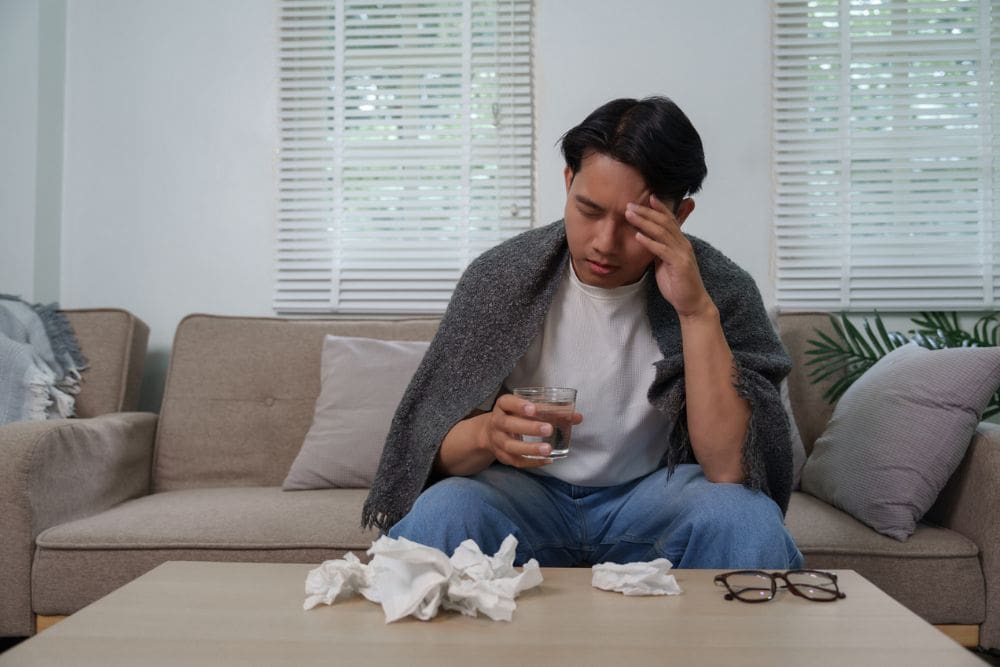
Within hours of your last drink, your body begins adjusting to the absence of alcohol. If you’ve been drinking regularly or heavily, this adjustment can trigger withdrawal symptoms as your nervous system works to regain balance.
You may experience:
- Anxiety or restlessness
- Headaches
- Nausea
- Sweating
- Difficulty sleeping
- Increased heart rate
- Irritability
For some people, withdrawal can be dangerous and even life-threatening. Symptoms such as seizures, hallucinations, or severe confusion require immediate medical attention. This is why it’s important to seek professional help before attempting to stop drinking if you have developed alcohol dependence.
How to Manage It
Stay hydrated, rest as much as possible, and seek medical supervision if recommended. A medically supervised detox program such as ours at Las Cruces can help manage symptoms safely and comfortably.
Days 2-7: Withdrawal Peaks
During the first week, withdrawal symptoms often become more intense before they improve.
You may feel physically uncomfortable and emotionally overwhelmed.
Common experiences include:
- Strong alcohol cravings
- Mood swings
- Trouble concentrating
- Fatigue
- Sleep disturbances
- Increased anxiety
Although this phase can be challenging, it’s also when your body is actively working to heal and restore normal function.
How to Manage It
Lean on your support system, attend treatment appointments, and focus on basic self-care. Eating nutritious meals and maintaining a consistent sleep schedule can help your body recover more efficiently.
Weeks 2-4: Physical Improvements Begin
As withdrawal symptoms fade, many people begin noticing positive physical changes.
You may experience:
- Better sleep quality
- Improved hydration
- Reduced bloating
- Increased energy levels
- Improved digestion
- Lower blood pressure
However, emotional challenges may continue. It’s common to experience periods of sadness, anxiety, or irritability as your brain adjusts to functioning without alcohol.
How to Manage It
Continue participating in treatment and develop healthy coping skills. Exercise, mindfulness practices, and spending time with supportive people can help improve your mood and reduce stress.
One to Three Months: Mental Clarity Returns
As recovery progresses, many people begin noticing significant improvements in their mental and emotional well-being.
You may find that:
- Your concentration improves
- Memory becomes sharper
- Decision-making feels easier
- Anxiety decreases
- Mood becomes more stable
- Motivation increases
You may also begin rebuilding relationships, returning to hobbies, and developing a stronger sense of self-confidence.
At the same time, cravings can still occur. Certain people, places, or situations may trigger the desire to drink, making relapse prevention an important part of recovery.
How to Manage It
Identify your triggers and create a plan for handling them. Ongoing counseling, support groups such as AA, and structured treatment programs can provide valuable guidance during this stage.
Six Months and Beyond
The longer you remain alcohol-free, the more opportunities your body has to repair itself.
Long-term benefits may include:
- Improved liver function
- Better heart health
- Stronger immune function
- Healthier weight management
- Reduced risk of alcohol-related diseases
- Greater emotional stability
Many people also experience improvements in relationships, work performance, and overall quality of life.
Recovery is not just about eliminating alcohol. It’s about creating a healthier lifestyle that supports your physical, emotional, and mental well-being.
Take the First Step Toward Recovery
If you or a loved one is struggling with alcohol addiction, you’re not alone. Las Cruces Recovery Center provides caring, non-judgmental treatment designed to meet each client’s unique needs.
If you’re concerned about your alcohol use or worried about someone you love, contact us today. Recovery is possible, and the journey toward a healthier, more fulfilling life can begin with a single step.