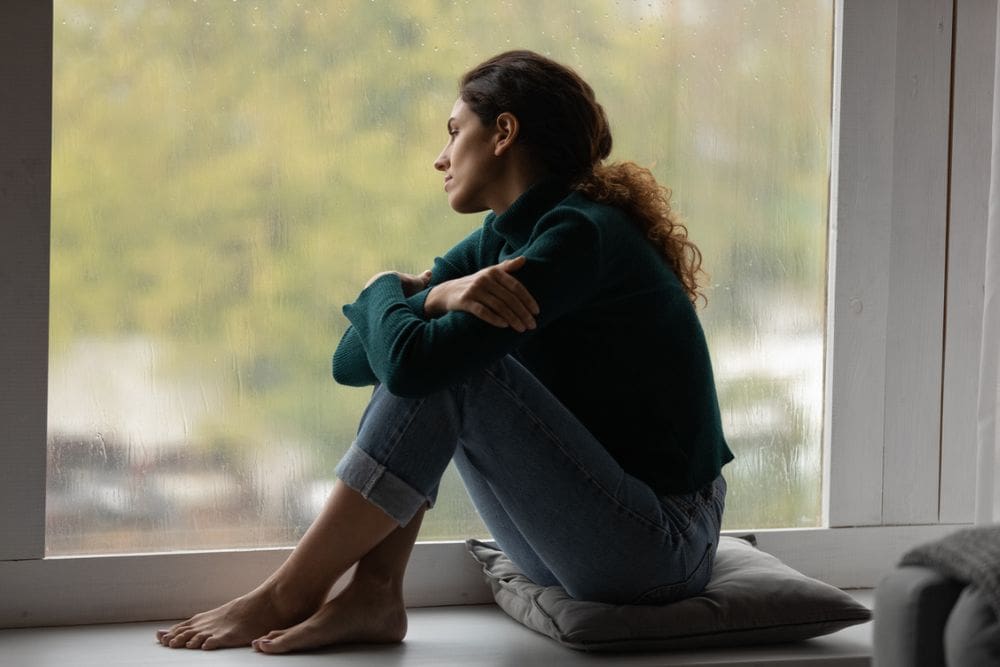
Recovery changes your life in ways you probably expected—and in some ways you may not have. While many people focus on the physical and emotional challenges of healing, loneliness is another part of recovery that often catches people off guard.
You may find yourself spending less time with old friends, avoiding places where you used to drink or use substances, or wondering where you fit now that your priorities have changed. Those feelings can be difficult, but they don’t mean you’re doing anything wrong. In many ways, loneliness can be a sign that you’re making healthy changes.
The important thing to remember is that this feeling won’t last forever. As you continue healing, you can build meaningful relationships that support the life you’re working toward.
Why Recovery Can Feel Lonely
Substance use often becomes connected to routines, social circles, and shared activities. When you stop using, those parts of your life may change too.
You might feel lonely because:
- Friends or family members still use alcohol or drugs, making it difficult to spend time together.
- You no longer go to parties, bars, or other places that were once a regular part of your routine.
- Your interests and goals have shifted, and you don’t relate to the same conversations or activities anymore.
- Some relationships may have ended because they were built around substance use rather than genuine connection.
- You’re focused on rebuilding your life, which can take time and energy away from socializing.
Even when these changes are healthy, they can leave you feeling isolated. That’s a normal part of adjusting to a new way of living.
Remember That Healing Takes Time
Recovery isn’t just about stopping substance use. It’s about creating a life that feels meaningful without it.
That means rebuilding trust, discovering new interests, and finding people who support your growth. Those things don’t happen overnight.
If you feel lonely right now, try not to see it as proof that recovery isn’t working. Instead, think of it as a transition. You’re making space for healthier relationships, even if they haven’t fully developed yet.
Find Support From People Who Understand
One of the best ways to ease loneliness is by connecting with others who understand what recovery feels like.
Support group meetings can remind you that you’re not facing these challenges alone. Whether you attend a 12-Step meeting such as AA or NA, SMART Recovery, or another recovery-focused group, you’ll meet people who understand the ups and downs of healing because they’ve experienced them too.
If you’ve completed treatment, consider participating in your recovery center’s alumni program. Alumni events, support groups, and community activities give you opportunities to reconnect with people who share similar experiences while continuing to build your recovery community.
Explore New Interests
Recovery allows you to rediscover who you are outside of substance use. Maybe you’ve always wanted to learn photography, join a hiking group, take a cooking class, or start working out. Hobbies not only fill your time but also introduce you to people who share your interests.
The conversations you have while volunteering, taking a class, or joining a community group often feel more genuine because they’re built around shared experiences instead of drinking or using substances.
Don’t worry about finding your “perfect” hobby right away. Try different activities until something feels like a good fit. Explore more about hobbies that support recovery in this blog.
Give Back Through Volunteering
Helping others can be surprisingly healing. Volunteering allows you to meet new people while contributing to something meaningful. Whether it’s helping at a local food bank, animal shelter, community event, or nonprofit organization, giving your time can strengthen your sense of purpose while expanding your social circle.
Small acts of service often lead to lasting friendships.
Make Time for Yourself
Loneliness and being alone aren’t always the same thing. Learning to enjoy your own company is an important part of recovery. Spend time reading, journaling, exercising, listening to music, practicing mindfulness, or simply relaxing without feeling pressured to stay busy.
As you become more comfortable with yourself, you’ll often find it easier to build healthier relationships with others.
Reach Out Instead of Pulling Away
When loneliness shows up, your first instinct may be to isolate yourself. Recovery asks you to do the opposite.
Call someone from your support network. Attend a meeting. Text a trusted friend. Schedule a therapy appointment. Even a brief conversation can help you feel more connected.
You don’t have to wait until you’re struggling to reach out.
You’re Not Meant to Do Recovery Alone
Recovery is about more than leaving substances behind. It’s about building a life filled with purpose, healthy relationships, and genuine connection.
The people in your life may look different than they once did, and that’s okay. As your recovery grows stronger, you’ll have opportunities to meet people who encourage your progress, celebrate your milestones, and remind you that you’re never alone.
If loneliness feels overwhelming, remember that support is available at Las Cruces Recovery Center in Las Cruces, NM. Recovery is strongest when it’s shared with others, and asking for help is one of the bravest steps you can take. To learn more, please contact us today!